P.01
Observe before operating
Ecologies are irreducible. We read the site—water, slope, soil, species, people—before we impose a design.
Biosphere(x) is not a company, a commune, or a closed system. It is a working process: an effort to relearn, research, and implement techniques of permanent cultures inside the only biosphere we have.
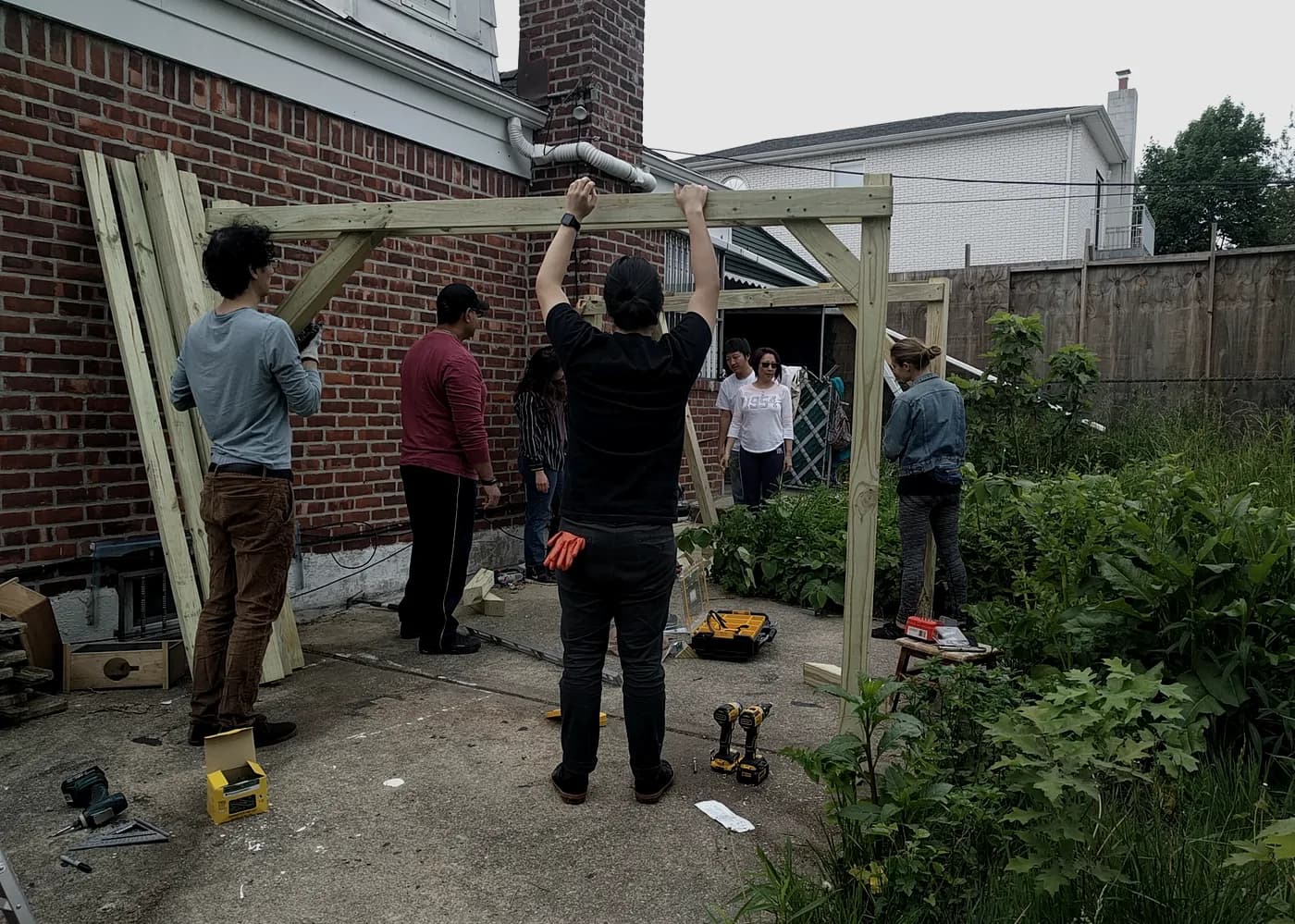
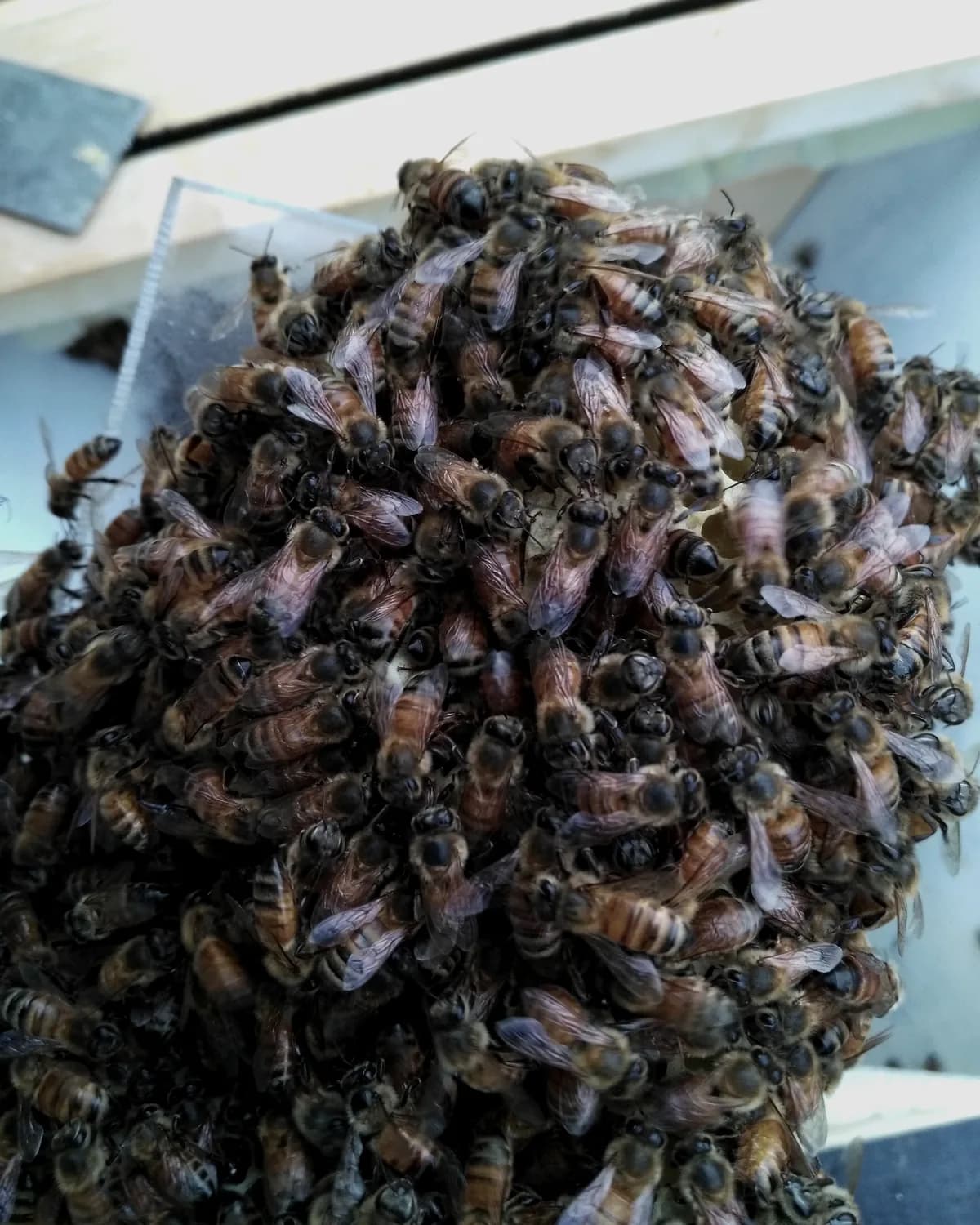
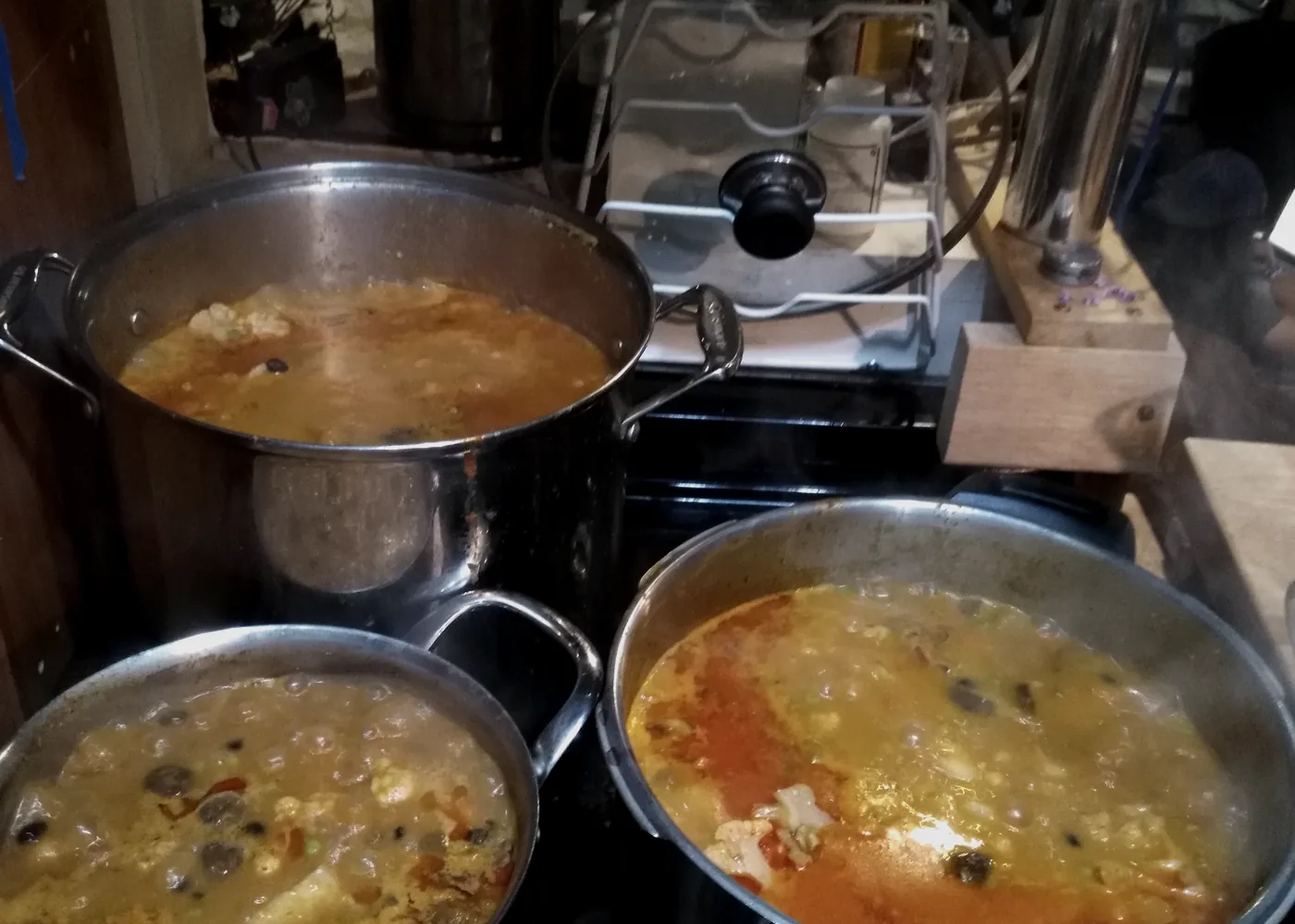
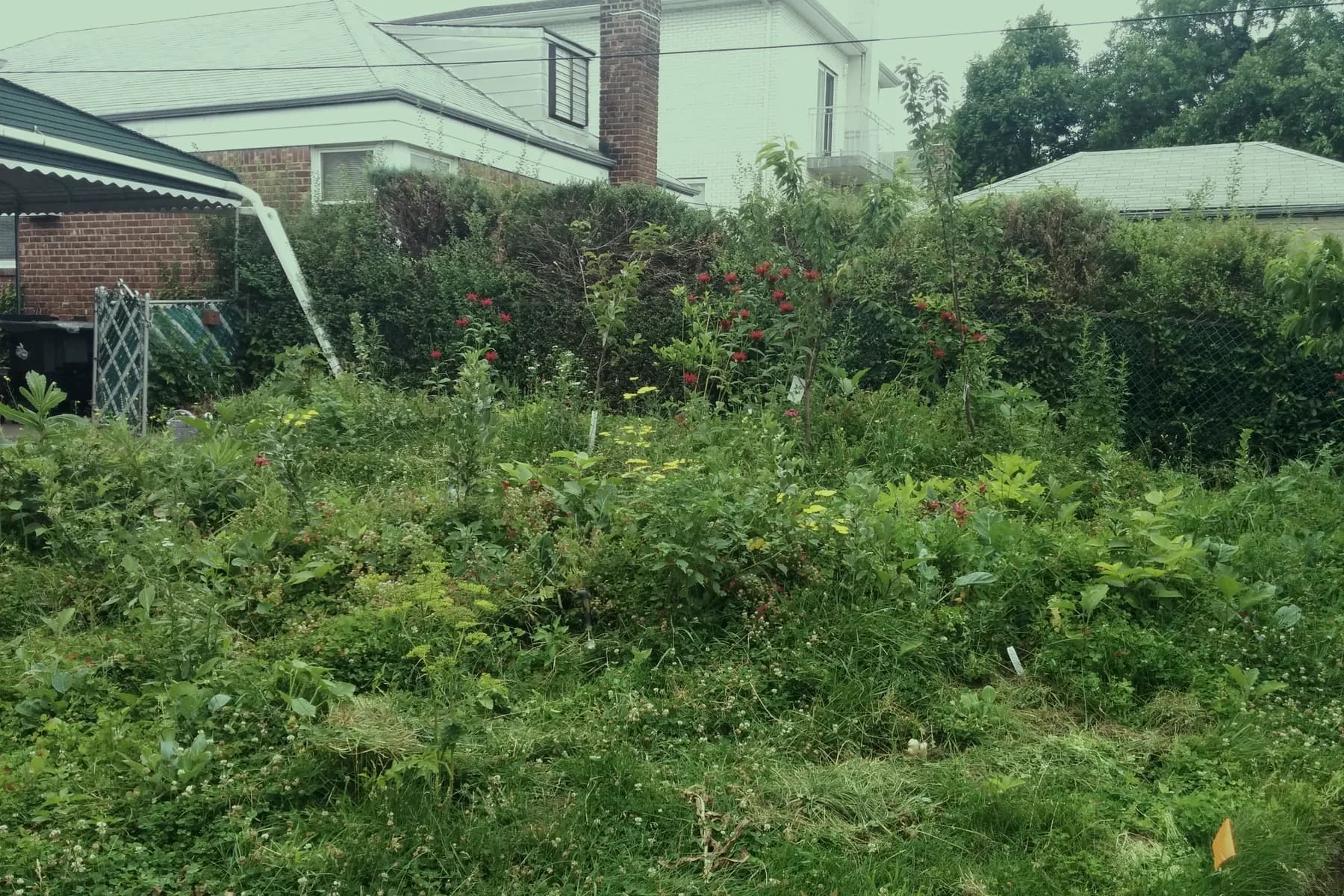
“In a small closed ecological system the equation ‘our biosphere’s health equals our health’ becomes dramatically evident.”Nelson and Alling / Biosphere 2 crew members, 1993
Biosphere 2 was an experiment in a closed system: a physical boundary, a two-year mission, and a crew trying to grow food, produce compost, and recycle waste without external input. It lasted less than two years. The material constraints were real, but the social breakdowns were just as instructive.
We take that as evidence of the irreducibility of the biosphere and the complexity of social dynamics—things that will take more than the scientific method to reconcile.
Biosphere(x) is not part of the lineage of Biosphere 2 or Bios-3. It is an effort and a process, seeking out the variable inputs “x” to create a permanent culture that strengthens itself within Biosphere 1.
Our activities include the procurement of land, reforestation and rewilding through permaculture, food production through permaculture and controlled growing methods such as hydroponics, aquaponics, and aeroponics.
We work to complete nutrient cycles in-house, leverage automation to augment the work, procure and store energy, and run the financial due diligence that keeps the physical systems alive.
None of this is separate from culture. The systems only hold if the people around them can maintain them, teach them, and repair them.
Ecologies are irreducible. We read the site—water, slope, soil, species, people—before we impose a design.
Nutrients, water, energy, materials, and knowledge should cycle inside the system, not leak out of it.
Salvaged material, open-source tools, local seed, existing skill. Appropriate technology over spectacle.
Documentation, workshops, and mutual aid turn a private experiment into shared infrastructure.
Biosphere(x) draws from many avenues—permaculture, the open-source community and technology, and Indigenous cultures—without pretending they are interchangeable.
Permaculture design science
Open-source ecology
Indigenous land knowledge
Biosphere 2 / closed-system research
Seasonal hierarchy
Myths of progress
Death denial
Climate change
A rotating group of builders, growers, engineers, cooks, and technicians. The work is distributed; the responsibility is shared.
06 OPERATORS / ONE FIELD
Chef / Fermentation Specialist
Strategist
Engineer in Training
Water / Environmental Engineer
Permaculturalist
Development Ops